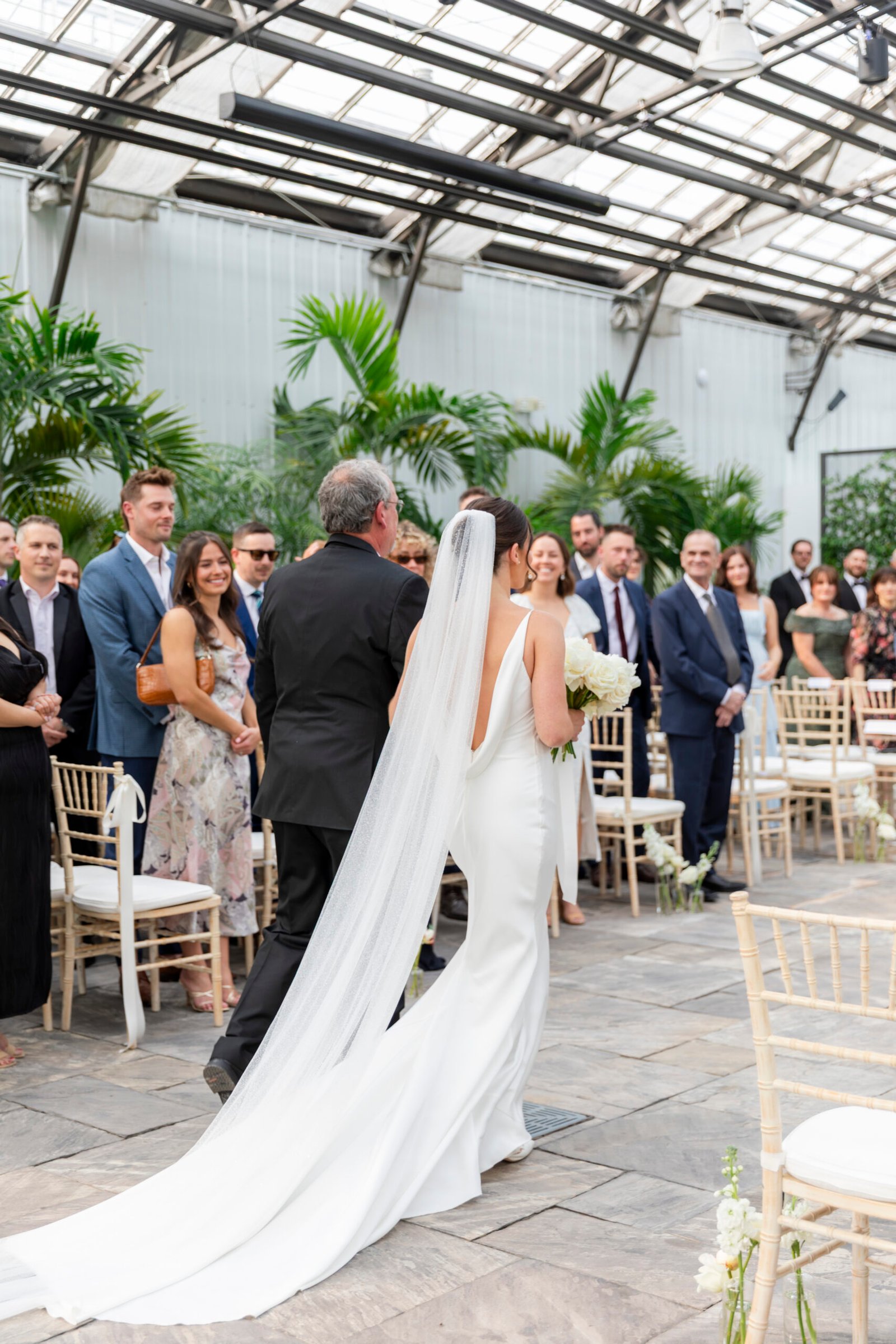
You’ve probably heard the term unplugged wedding while planning your day, but what does it actually mean, and is it the right choice for you?
As a wedding photographer, I’ve photographed both unplugged and fully plugged-in weddings and the difference can be huge. This guide will help you decide whether an unplugged ceremony or wedding is the right fit for your celebration.
What Is an Unplugged Wedding?
An unplugged wedding is when guests are asked to put away their phones, cameras and tablets during part (or all) of the wedding day. Most couples choose to unplug only the ceremony, while others extend it to the entire day.
Instead of guests viewing the wedding through screens, they’re fully present in the moment.
Why Unplugged Weddings Became Popular
In the past, guests didn’t have cameras in their pockets. Today almost every guest has a phone and it often ends up in the aisle during the most emotional moments of the day.
Couples started choosing unplugged ceremonies to:
• Keep the focus on the moment
• Avoid distractions in photos
• Create a more intimate atmosphere
The Biggest Benefits of an Unplugged Ceremony
1. Your photos will look cleaner and more timeless
One of the most common reasons couples go unplugged is photography.
During ceremonies with phones out, photographers often capture:
• Guests holding phones in the aisle
• Bright screens in dark venues
• People stepping into the aisle for photos
An unplugged ceremony keeps the focus on you and your partner not a sea of smartphones.
2. Guests are more present and emotional
When guests aren’t trying to capture the moment, they experience it.
You’ll often notice:
• More eye contact
• More laughter and tears
• A stronger emotional atmosphere
It creates a more meaningful experience for everyone.
3. No accidental aisle blocking
This happens more than couples expect.
Guests often step into the aisle to take photos right as you walk down. Even with the best intentions, it can block the professional photos of a once-in-a-lifetime moment.
An unplugged ceremony prevents this completely.
4. You control how your wedding is shared online
Many couples want to be the first to share their wedding photos. An unplugged ceremony prevents blurry phone photos from appearing online before you’ve even seen your gallery.
The Possible Downsides
1. Some guests may feel unsure at first
A few guests may feel awkward not taking photos, especially parents or grandparents who love documenting family events.
The solution: reassure them that your photographer will capture everything.
2. You won’t get guest-perspective phone photos
Some couples enjoy seeing the day through guests’ eyes. If that’s important to you, consider unplugging only the ceremony and allowing phones during cocktail hour and the reception.
This is actually the most popular approach.
The Best Compromise: Ceremony Unplugged, Reception Plugged
Most couples choose to unplug the ceremony and then invite guests to take photos afterward.
This gives you the best of both worlds:
• Beautiful, distraction-free ceremony photos
• Fun guest photos during the celebration
How to Tell Guests About Your Unplugged Wedding
Communication is key. Make it friendly and positive.
You can include it in:
• Your wedding website
• Ceremony signage
• Invitations or programs
• A quick announcement from the officiant before the ceremony
Example wording:
“We invite you to be fully present with us during our ceremony. Please turn off your phones and cameras and enjoy this moment with us.”
Should You Have an Unplugged Wedding?
If your priorities include:
• Clean, timeless ceremony photos
• Guests fully present in the moment
• A distraction-free aisle walk
An unplugged ceremony is absolutely worth considering.
Every wedding is different, but many couples say this is one of the best decisions they made.
Let’s Plan Your Wedding Photography
Planning your wedding and want guidance on creating a timeline and experience that feels relaxed and intentional?
Leave a Reply